FASHIONPEDIA
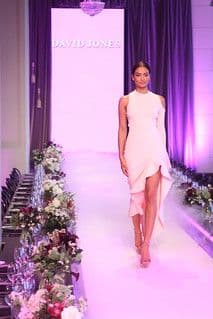
White Stretch Crepe Asymmetrical Maxi Gown
1990s · 2020s · Western
Production
ready-to-wear
Material
stretch crepe
Culture
Western
Movement
Minimalism
Influences
1990s minimalism · architectural draping
A sleeveless white stretch crepe gown with a dramatically asymmetrical hemline that creates a modern sculptural silhouette. The dress features a high round neckline and fits closely to the body through the torso and hips, showcasing the fluid drape of the stretch crepe fabric. The hemline rises sharply on one side to mid-thigh while extending to floor length on the other, creating dynamic movement and visual interest. The minimalist design relies entirely on the precision of the cut and the quality of the fabric rather than embellishment, embodying the understated luxury aesthetic of contemporary high-end fashion.
dressasymmetricalone shouldermaxi
Connected To
Influences·1990s minimalismMovement·Minimalism
SHARED20 years · cross-culture · cross-category
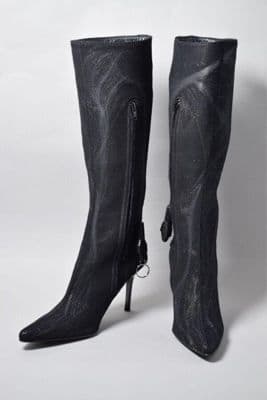
That white dress's razor-sharp asymmetrical hemline and the way it skims the body without a single extraneous detail reads like pure '90s minimalism — the kind of mathematical precision Helmut Lang or Jil Sander perfected. The black mesh boots, with their seamless integration of structure and void, carry that same reductive DNA forward into the 2000s, where minimalism got edgier and more fetishistic.
Pull the Thread→
Follow this garment wherever the graph leads