FASHIONPEDIA
Black Jersey Wide-Leg Palazzo Maxi Pants
1990s · 2020s · Western
Production
ready-to-wear
Material
jersey knit
Culture
Western
Movement
Minimalism
Influences
1970s palazzo pants · minimalist tailoring
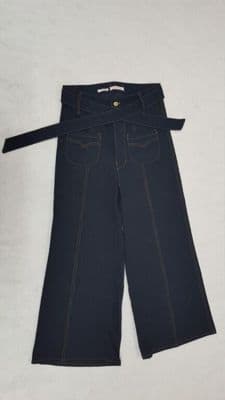
These are high-waisted, extremely wide-leg palazzo pants in black jersey knit that flow dramatically from hip to floor. The silhouette creates a skirt-like appearance with the fabric falling in soft, unstructured drapes. The waistband sits at the natural waist, and the leg opening is exceptionally wide, creating a sweeping, fluid movement. The jersey material appears to have a matte finish and substantial weight that allows for the graceful draping. This style represents the 2010s interpretation of 1970s palazzo pants, offering formal elegance through minimalist design and dramatic proportions rather than surface decoration.
pantsregular fitv-neckmaxi
Connected To
Influences·minimalist tailoringMovement·Minimalism
LINEAGEsame era · cross-category→ directed
Lineage: “minimalist tailoring”
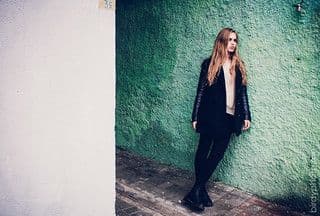
The tailored coat's knife-sharp lapels and the palazzo pants' fluid, unbroken line both spring from minimalism's core belief that perfection lies in reduction—one achieves it through architectural precision, the other through liquid geometry. Thirty years separate these pieces, but they're cut from the same philosophical cloth: both refuse ornament, both let fabric and form speak alone.
Echoes Across Time
1990s → 1970s · 40yr60%
SHARED
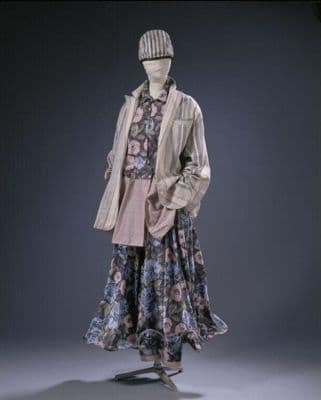
These wide-leg trousers trace a direct line from the 1970s palazzo pant revolution, when flowing silhouettes borrowed from Eastern dress codes infiltrated Western wardrobes as symbols of liberation from restrictive tailoring. The earlier floral cotton pair captures the original bohemian spirit with its dramatic proportions and romantic print, while the sleek black jersey version strips away the hippie romanticism for pure architectural drama.
Influences·1970s palazzo pants
1990s → 1970s · 50yr
Pull the Thread→
Follow this garment wherever the graph leads