
FASHIONPEDIA
White Cotton-Linen Oversized Minimalist Shirt
1990s · 2010s · Western
Production
ready-to-wear
Material
cotton-linen blend
Culture
Western
Movement
Minimalism
Influences
Japanese minimalist design · 1990s anti-fashion movement
A loose-fitting white shirt with an oversized, boxy silhouette characteristic of 1990s minimalist fashion. The garment features a relaxed cut with dropped shoulders and appears to be constructed from a lightweight cotton-linen blend that drapes softly away from the body. The shirt has a simple crew or boat neckline and three-quarter sleeves that fall naturally without structure. The fabric appears to have a slightly textured, matte finish typical of natural fiber blends. Paired with dark fitted pants, the contrast emphasizes the shirt's deliberately oversized proportions and the minimalist aesthetic's emphasis on simple geometric forms and neutral colors.
shirtloose fitcollarlesship length
Connected To
Influences·Japanese minimalist designMovement·Minimalism
SHARED20 years · cross-culture
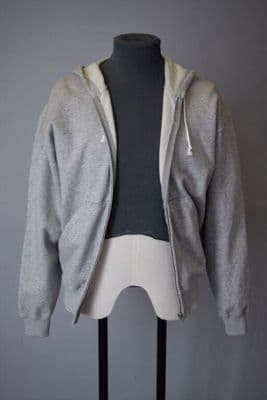
The white shirt's knife-sharp collar and deliberately oversized proportions speak the same minimalist language as the hoodie's clean zip line and monastic silhouette, both garments stripping away ornament to let pure form breathe. Twenty years and an ocean apart, they're connected by the Japanese aesthetic principle of *ma* — the power of empty space — that infiltrated Western fashion in the '90s and later boomeranged back to Japan as streetwear gospel.
Pull the Thread→
Follow this garment wherever the graph leads